
Overview
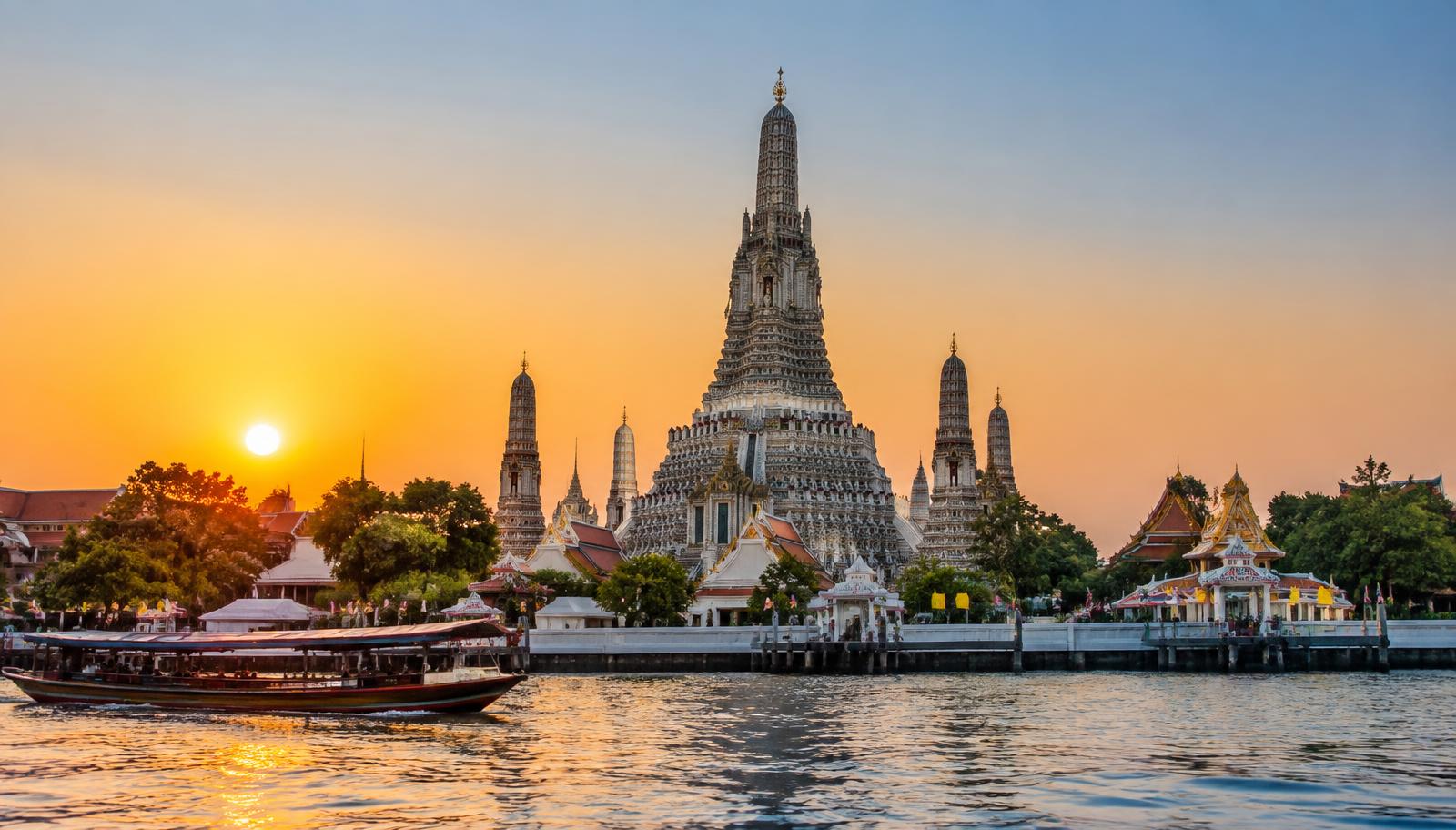
Wat Arun, the Temple of Dawn, is one of Bangkok’s most recognizable landmarks, rising dramatically beside the Chao Phraya River. Admire its towering central prang decorated with colourful porcelain and seashells, explore the historic temple grounds, and enjoy spectacular views across the river and old Bangkok.
Wat Arun, officially known as Wat Arun Ratchawararam Ratchawaramahawihan, is one of Bangkok’s most distinctive temples and one of the city’s most photographed landmarks. Standing on the western bank of the Chao Phraya River, the temple is especially striking when viewed from across the water, where its towering central prang rises above the surrounding historic district. The temple is commonly known as the Temple of Dawn, a name associated with the beautiful light that illuminates its riverside architecture in the early morning. Its central prang is decorated with intricate patterns created from colourful pieces of Chinese porcelain and seashells, producing a remarkable mosaic-like appearance. The central prang represents Mount Meru, the centre of the Buddhist and Hindu cosmological universe. Surrounding structures, guardian figures, and decorative details contribute to the temple's distinctive architectural character. Wat Arun has a long history dating back to the Ayutthaya period. It was significantly developed during the reign of King Rama II, while further restoration and construction continued during the early Rattanakosin period. The temple also has an important connection to the early history of Bangkok, when King Taksin established his capital at Thonburi on the western side of the Chao Phraya River. Visitors can explore the temple grounds, admire the intricate craftsmanship of the prangs and surrounding buildings, and enjoy views across the Chao Phraya River toward Bangkok's historic centre. The temple is particularly beautiful around sunrise and sunset, when changing light creates different moods across its detailed surfaces. Wat Arun is conveniently paired with Wat Pho and the Grand Palace. From Wat Pho, visitors can cross the Chao Phraya River by local ferry to reach Wat Arun, making it easy to experience several of Bangkok's most important historic landmarks in one outing. Because Wat Arun remains an active Buddhist temple, visitors should dress respectfully and behave appropriately within the religious areas. Comfortable footwear is recommended for exploring the temple grounds. For travellers interested in Thai architecture, history, Buddhism, photography, and Bangkok's riverside heritage, Wat Arun offers an unforgettable experience and a different perspective on the city's historic heart.
Curated sample listing with general information only.
Highlights
- Central Prang — Admire Wat Arun’s iconic towering prang, decorated with intricate patterns of colourful porcelain and seashells.
- Temple of Dawn — Experience one of Bangkok’s most recognizable landmarks beside the Chao Phraya River.
- Thai Architecture & Craftsmanship — Discover elaborate details, sculptures, mosaics, and traditional decorative art throughout the complex.
- Riverside Setting — Enjoy beautiful views across the Chao Phraya River toward Bangkok’s historic centre.
- Historic Heritage — Explore a temple with roots dating back to the Ayutthaya period and an important connection to early Bangkok.
- Guardian Figures — See the impressive decorative figures and mythical guardians surrounding the temple structures.
- Photography — Capture striking views of the temple from both the temple grounds and across the river.
- Sunrise & Sunset Views — Visit during the softer morning or late-afternoon light for a particularly atmospheric experience.
Plan Your Visit
- Opening hours
- Open Daily 8:00 AM–6:00 PM daily. It is also worth noting that visitors should arrive before closing time, as entry may stop shortly before 6:00 PM
- Recommended visit duration
- Allow about 1 hour to explore the main temple grounds, admire the central prang and surrounding architecture, and take photographs. If you want to explore at a relaxed pace and enjoy the riverside views, allow 1.5 hours.
- Admission
- Thai visitors: Free admission. Foreign visitors: 100 baht per person. Children: Check the ticket office for applicable child rates. Payment: Admission is purchased at the temple. Temple access: The admission fee applies to the visitor areas of Wat Arun and its main architectural attractions.
- Address
- 158 Wang Doem Road, Wat Arun, Bangkok Yai, Bangkok 10600, Thailand.
Related Travel Guides
Read MyTourBox guides to help plan your time in Bangkok.
Browse guidesLicensed Tour Operators
Find licensed tour businesses that operate across Thailand.
View operatorsRelated Attractions
 Featured
Wildlife & Animals
Safari World - Sample
Bangkok, Thailand
A large wildlife park on the outskirts of Bangkok, popular with families.
Temples
Wat Pho
Bangkok, Thailand
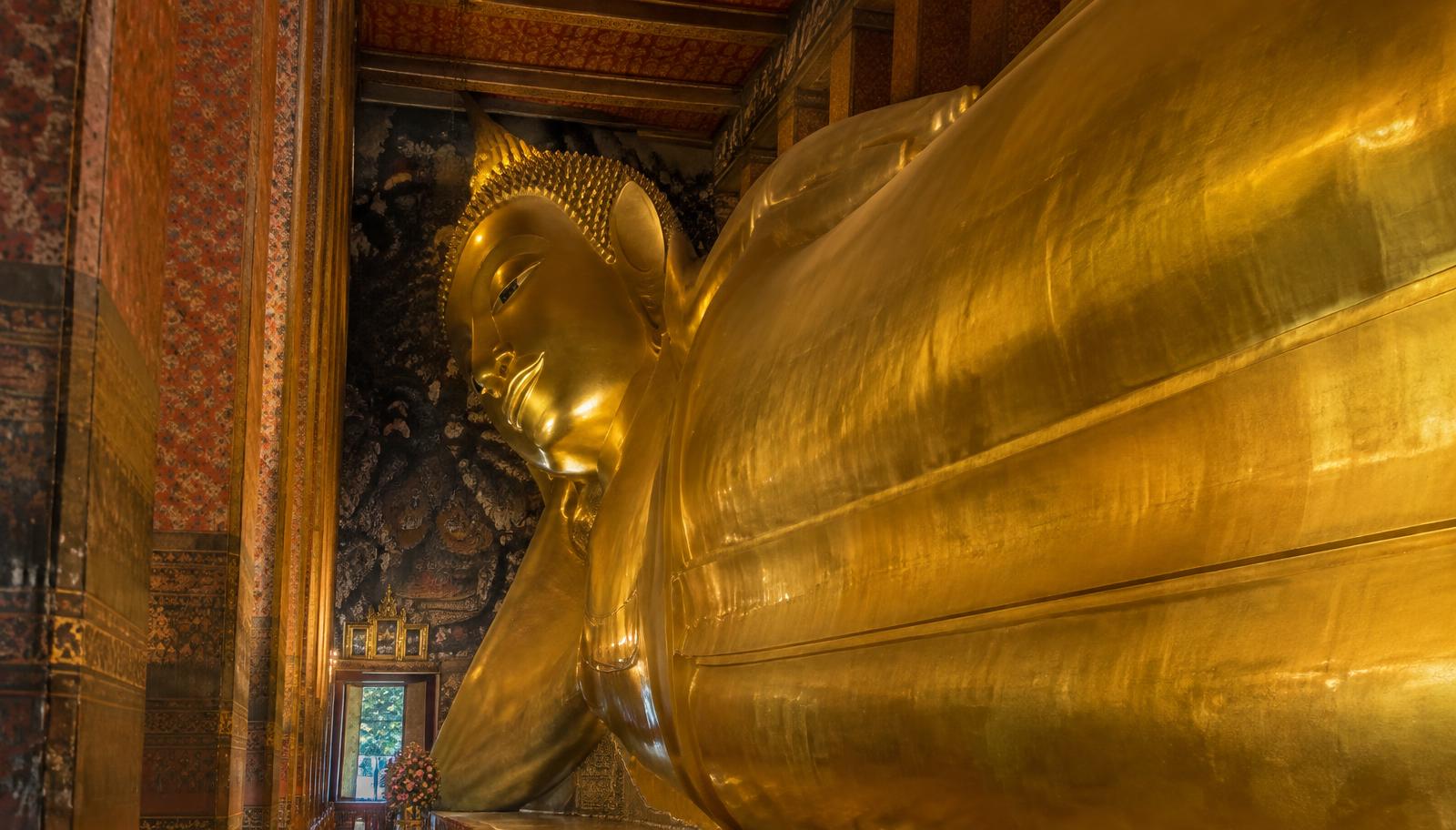
Wat Pho, or the Temple of the Reclining Buddha, is one of Bangkok’s most iconic temples, famous for its enormous 46-metre-long gilded Reclining Buddha. Explore its beautiful courtyards, traditional Thai architecture, historic murals, and more than 1,000 Buddha images in the heart of Bangkok’s historic Rattanakosin district.
 Featured
Theme Parks
Dream World - Sample
Bangkok, Thailand
An amusement park north of central Bangkok with rides and themed areas.