
Before You Go
Passport & Visa Basics for Traveling to Thailand
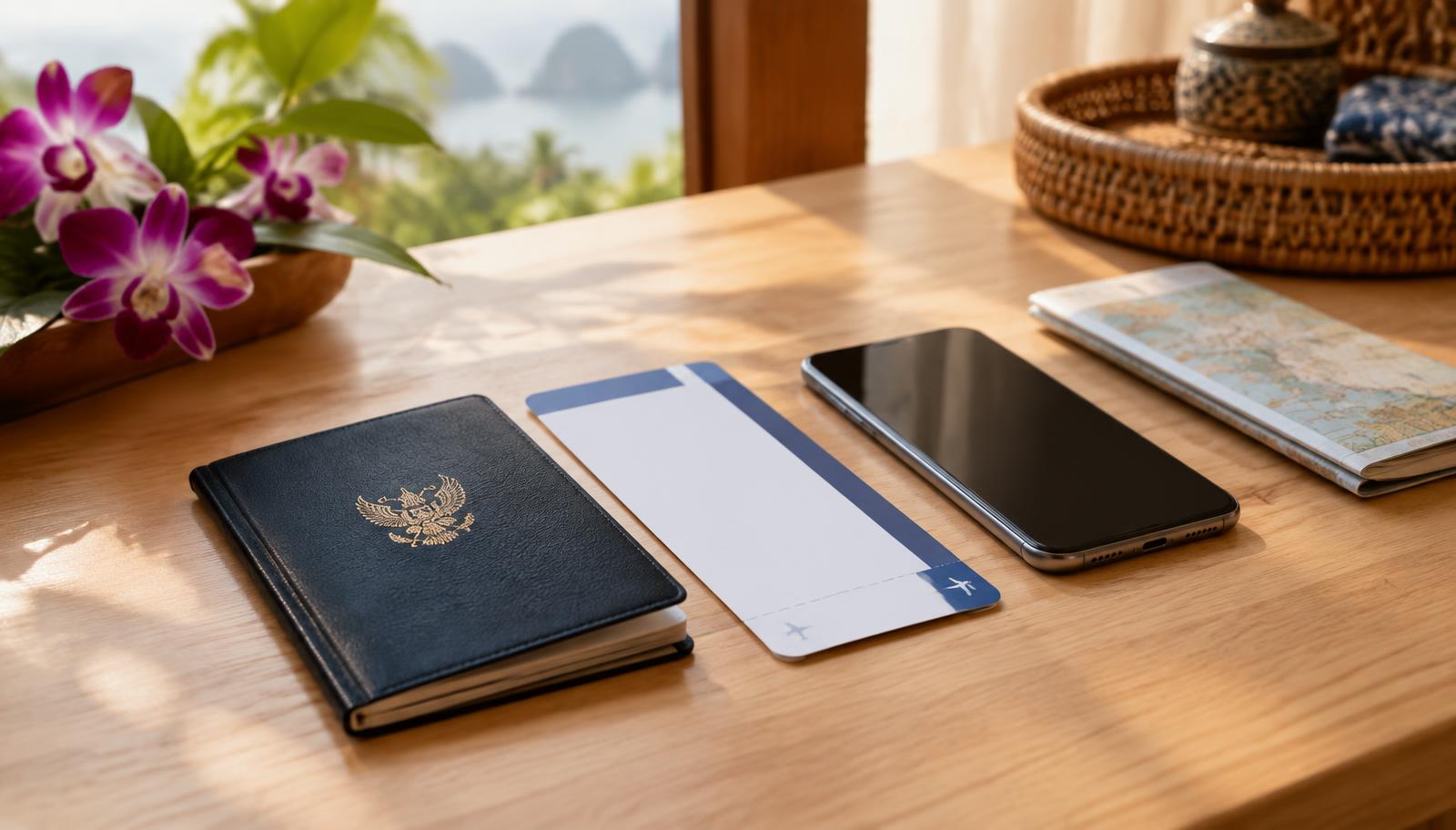
Passport and entry requirements are among the most important things to check before traveling to Thailand. Flights, hotels and itineraries can usually be changed, but arriving at the airport with the wrong documents can stop a trip before it begins.
The rules that apply to you can depend on your nationality, the type of passport you hold, the purpose of your trip, how long you plan to stay and the Thai immigration and visa rules in force at the time you travel. Two travelers on the same flight may face completely different requirements, so it is never safe to assume the rules are the same for everyone.
This guide explains the basics in plain language: what to check on your passport, the main visa options, the Thailand Digital Arrival Card, the documents you may be asked for and the most common mistakes to avoid. It is general travel information, not legal advice, and it is always best to confirm the details with official Thai sources shortly before departure.
1. Check Your Passport Before You Travel
Start with your passport, because nothing else matters if it is not accepted for travel. Check it well before you book, and again a few weeks before you fly.
- Validity: many countries, and many airlines, expect a passport to remain valid for a set period beyond your travel dates. Check the validity requirement that applies to your nationality and travel circumstances rather than relying on a general rule of thumb.
- Blank pages: where entry stamps or visas are used, you may need free pages. Make sure you have space.
- Condition: a damaged passport, such as one with water damage, torn pages or a loose cover, may be refused by an airline or immigration officer.
- Matching details: the name on your flight booking, visa application and arrival card should match your passport exactly.
If your passport is close to expiring or in poor condition, renew it before you apply for a visa or book non-refundable travel.
2. Do You Need a Visa for Thailand?
Whether you need a visa depends on your nationality, your passport and the purpose of your trip. Some travelers can enter for tourism without applying for a visa in advance, while others must obtain one before they travel. Do not assume that all tourists can enter Thailand without a visa.
These are the main categories you are likely to come across:
- Visa exemption: travelers from eligible countries or territories can enter for tourism for a limited period without applying for a visa beforehand. Being visa-exempt is not the same as holding a visa, and the permitted stay is set by the scheme.
- Tourist visa: a visa obtained before travel for leisure visits, usually applied for online through the Thai e-Visa system.
- Visa on Arrival (VOA): available only to travelers of specific nationalities, and issued at designated immigration checkpoints on arrival.
- Thai e-Visa: Thailand's official online system for applying for many visa types before you travel.
- Other visa categories: business, study, work, family and long-stay visits generally require a different visa type. Tourism entry is not a substitute for these.
3. Thailand's Current Visa Exemption and VOA Rules
Current as of September 2026: according to the Thai Ministry of Foreign Affairs, Thailand revised its tourism-related visa exemption and Visa on Arrival arrangements effective 15 September 2026. The revised arrangements include:
- A 30-day tourism visa exemption scheme covering 60 countries/territories.
- A new 15-day tourism visa exemption arrangement covering 2 countries/territories.
- A revised Visa on Arrival scheme covering 3 countries/territories.
Thailand's visa and entry rules can change. Always check the latest official information before your trip. Confirm your eligibility against the current official list published by Thailand's Department of Consular Affairs rather than lists found on travel blogs or forums.
4. Thailand e-Visa
If you need a visa, Thailand operates an official electronic visa system that lets you apply online before you travel. The general process looks like this:
- Create an account on the official e-Visa website
- Complete the application for the correct visa type
- Upload the supporting documents requested
- Pay the visa fee
- Wait for your application to be processed
- Receive your e-Visa confirmation by email
Apply only through the official Thai e-Visa website. Unofficial visa websites may charge extra fees, and some are not genuine. Allow enough processing time before your departure date, and carry a copy of your approval.
5. Thailand Digital Arrival Card (TDAC)
Non-Thai nationals entering Thailand are required to complete the Thailand Digital Arrival Card, known as the TDAC. It is an online arrival form, available through the official Thailand Immigration Bureau system, and it should be submitted no more than 3 days before your arrival date.
The TDAC is an arrival-card requirement, not a visa. Completing it does not give you permission to enter Thailand, and it does not replace a visa if your nationality or travel purpose requires one.
Entry procedures can change, so always check the latest official requirements before you travel. Use only the official TDAC website, which is free to use.
6. Documents You May Need
Depending on your nationality, visa status and travel circumstances, the following may be requested by your airline or by immigration where applicable. Not every traveler will be asked for every item, but it is sensible to have them ready.
- A valid passport.
- A visa, or evidence that you are eligible for visa-exempt entry.
- Your Thailand e-Visa confirmation, where applicable.
- Onward or return travel information.
- Accommodation information, such as your hotel booking or address in Thailand.
- Proof of sufficient funds, where applicable.
- Other supporting documents required for a particular visa or entry category.
Separately from what may be required, it is simply useful to keep digital and printed copies of your passport, bookings and travel insurance details in case your phone battery runs out.
7. Check Your Transit Requirements Too
Thailand may not be the only country whose rules matter. If you connect through another airport, the transit country sets its own requirements, and they depend on your nationality and itinerary.
- Whether you need a transit visa.
- The airport's transit rules and minimum connection times.
- Whether you must pass through immigration during your connection.
- Whether your baggage must be collected and checked in again.
- Separate-ticket connections, which often require you to enter the transit country to re-check your bags.
8. What Happens When You Arrive in Thailand?
The arrival process is usually straightforward, although the exact experience can vary by airport, nationality and entry category. In general, you can expect to:
- Follow the airport signs to immigration.
- Present your passport and any required travel documents.
- Complete the immigration process, which may include a photograph and fingerprints.
- Follow any instructions from immigration officers.
- Check your entry stamp or electronic record, where applicable.
- Confirm your permitted period of stay before you leave the immigration area.
Once you are through, you are ready to start exploring. If Bangkok is your first stop, our Bangkok travel guide covers what to see and how to get around.
9. Common Passport & Visa Mistakes
- Assuming visa-free entry without checking your own eligibility.
- Relying on old information found online, including outdated visa-exemption periods.
- Confusing a visa exemption with a visa.
- Forgetting to check passport validity and condition.
- Ignoring transit-country requirements.
- Waiting too long to apply for a visa when one is required.
- Using unofficial visa websites instead of official Thai sources.
- Forgetting to complete the TDAC.
- Failing to check the permitted length of stay and overstaying by mistake.
- Assuming the rules are the same for every nationality.
10. Before You Fly: Thailand Entry Checklist
- Check your passport validity and condition
- Confirm whether you need a visa
- Check the latest Thailand visa-exemption or VOA rules
- Apply for a Thai e-Visa if required
- Complete the TDAC within the permitted pre-arrival period
- Check transit-country requirements
- Keep accommodation and onward-travel information accessible
- Save copies of important travel documents
- Recheck official requirements shortly before departure
For the rest of your preparation, from money and packing to phone connectivity, see our international travel checklist.
Final Takeaway
Thailand is easy to visit when you prepare your documents in advance. The most important step is to check the rules that apply to your own passport and travel purpose, then verify them again shortly before departure.
Thailand's immigration and visa policies can change, so treat official Thai government sources as the final word. With your documents sorted, you can focus on the part that matters most: enjoying your trip.
Related Travel Tips
Before You Go
International Travel Checklist for Thailand: What to Prepare Before You Fly
A practical checklist covering passports, visas, travel documents, bookings, money, packing and other essentials to prepare before your trip to Thailand.
Read Guide →Before You Go
Travel Insurance for Thailand: What Travelers Should Know
Key things to consider when choosing travel insurance for Thailand, including medical coverage, cancellations, baggage and unexpected travel disruptions.
Read Guide →