
Travel Smart
Thailand Travel Etiquette: Understanding Local Customs
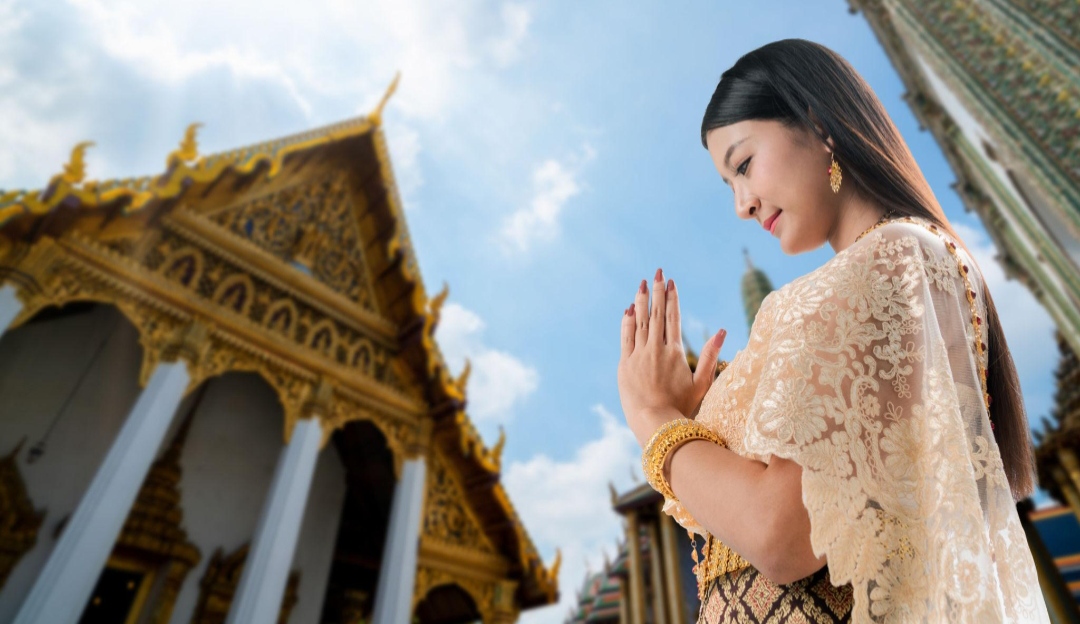
Thailand is known as the "Land of Smiles," and a little cultural awareness goes a long way there. Thai people are famously forgiving of tourists, but showing that you understand local customs earns warmth, better service, and often a few extra smiles. Here's what to know before you go, including how etiquette applies while you're getting around.
1. The Wai: Thailand's Signature Greeting
The wai is a slight bow with palms pressed together at chest or chin level. It's used for greetings, thanks, and goodbyes.
- Return a wai when someone offers one, especially to elders.
- You don't need to wai staff in shops, taxis, or restaurants. A smile and a nod are fine.
- Never wai a child. They'll wai you, and a smile is the right response.
2. Respect for the Monarchy
The Thai monarchy is deeply revered, and Thailand has strict laws against insulting the royal family. Don't joke about, criticize, or deface images of the king or royals, including on currency. Stand when the royal anthem plays in cinemas, and pause when the national anthem plays in public places, typically around 8:00 am and 6:00 pm.
3. Temple and Religious Etiquette
Buddhism is central to daily life, and temples (wats) are active places of worship, not just sights.
- Dress modestly: Cover shoulders and knees. Skip see-through, tight, or revealing clothing. Many popular temples will turn you away or lend you a wrap.
- Remove your shoes before entering any temple building, and often before entering homes and some shops.
- Never climb on, touch, or pose disrespectfully with Buddha images. Don't point your feet at them either.
- Behave around monks: Women should avoid touching monks or handing items directly to them. Place the item down or let a man pass it. On buses, trains, and boats, offer monks your seat.
- Keep your voice low and turn off your phone ringer.
4. The Head, the Feet, and Body Language
In Thai culture the head is the most respected part of the body and the feet are the lowest.
- Don't touch anyone's head, including children's.
- Don't point your feet at people or religious objects, and don't use your foot to move things.
- Sit with your feet tucked to the side when in a temple or someone's home, rather than stretched out.
- Pointing with a finger at people is rude. Use a nod or a open-handed gesture instead.
5. Keep Your Cool
Thai culture values calm and harmony, summed up in the phrase jai yen ("cool heart"). Raising your voice, showing anger in public, or making someone lose face is considered much worse than the original problem.
- If something goes wrong, stay polite and smile while you explain.
- Criticize in private, never in front of others.
- If you hear mai pen rai ("never mind, it's okay"), take it as a gentle reminder to let small things go.
6. Public Behavior and Dress
- Public displays of affection: Holding hands is fine, but kissing and heavy affection are frowned upon.
- Beachwear stays at the beach. Cover up when you're in towns, markets, and restaurants.
- Nudity and topless sunbathing are not acceptable and can lead to fines or arrest.
7. Etiquette When Getting Around
- Taxis and tuk-tuks: Agree on the fare before you go, or insist on the meter in a taxi. Stay polite if you decline a price.
- Public transport: Give your seat to monks, the elderly, pregnant women, and anyone carrying young children. Keep voices low on trains and BTS/MRT cars.
- Motorbike taxis and rentals: Wear a helmet, and don't hesitate to say no if a driver seems unsafe.
- Boats and ferries: Follow crew directions on boarding and don't overload.
8. Dining and Shopping Etiquette
- Thais usually eat with a fork and spoon. Use the fork to push food onto the spoon, and chopsticks for noodle dishes.
- Don't stick chopsticks upright in rice, since it resembles funeral incense.
- Share dishes family-style, and wait for the eldest or host to begin.
- Bargaining is normal at markets, but keep it good-natured. Don't haggle in malls, convenience stores, or with street food vendors.
- Tipping isn't required, but small tips (20 to 50 baht) are appreciated, and 10% is common at upscale restaurants without a service charge.
- Hand over and receive money or items with your right hand, ideally supporting your right forearm with your left.
Final Takeaway
You don't need to memorize every rule. Thais are gracious hosts, and honest mistakes are usually met with patience. Respect, humility, and a smile are the best etiquette tools you can pack.