
Staying Safe
Common Tourist Scams in Thailand and How to Avoid Them
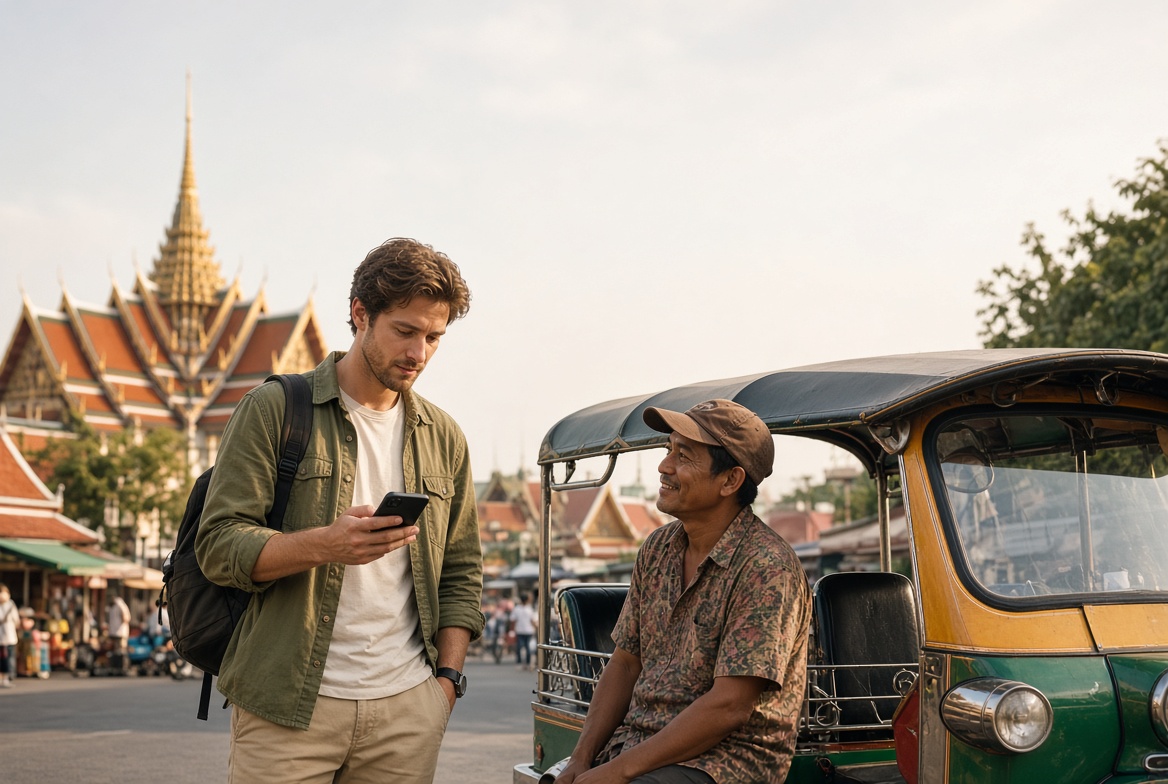
Thailand is a welcoming and generally easy country to explore, but like any popular tourist destination, it has some scams and tourist-targeted tricks that visitors should know about. Most are avoidable with a little awareness, especially when someone approaches you unexpectedly with an unsolicited offer.
Here are some of the most common scams travelers may encounter in Thailand—and practical ways to avoid them.
1. The “Grand Palace Is Closed” Scam
One of the most well-known scams in Bangkok involves someone approaching tourists near the Grand Palace or other major attractions and claiming that the attraction is closed for a holiday, ceremony, or special event.
They may then offer to take you somewhere else, often by tuk-tuk or taxi, sometimes stopping at gem shops, tailor shops, or other businesses where they receive a commission.
How to avoid it: Check the attraction's official opening information before visiting. Don't rely on unsolicited information from strangers outside tourist attractions. If someone says a site is closed, verify it directly with the attraction's official staff. Be cautious if the person immediately offers you an alternative tour.
2. Tuk-Tuk Overcharging and “Special Tours”
Tuk-tuks are an iconic part of the Thailand experience, but some drivers may quote an unusually high price or offer an extremely cheap ride that comes with unexpected stops.
A driver might say they can take you around Bangkok for a very low price, but the itinerary may include jewelry stores, tailor shops, souvenir stores, or other businesses.
How to avoid it: Agree on the total fare and destination before getting in. If you want a sightseeing tour, clearly ask what stops are included. Politely decline shopping stops if they aren't part of your plans. For longer journeys, compare the price with a metered taxi or ride-hailing service.
3. Taxi Fare Tricks
Traditional taxis in Thailand generally use meters, but travelers may occasionally encounter drivers who refuse to use the meter and instead demand a fixed price. Another issue can be misunderstanding whether a quoted price is for the entire vehicle or per passenger.
How to avoid it: Ask for the meter before starting the journey. Confirm the destination clearly. If you don't agree with the fare, simply find another taxi. Use a reputable ride-hailing app when convenient.
4. Gem and Jewelry Store Scams
Thailand has a legitimate jewelry industry, but tourists should be cautious about unsolicited “special deals.”
A stranger may claim that a particular gem is available at a huge discount because of a government promotion, tax-free sale, or special export arrangement. You may then be taken to a shop where you're pressured to buy.
How to avoid it: Don't purchase expensive gems because of an unsolicited recommendation. Be especially skeptical of claims about guaranteed profits or resale value. If you're genuinely interested in buying jewelry, research reputable retailers beforehand. Never feel pressured to make an immediate purchase.
5. Tailor Shop Commissions
Thailand has many legitimate tailoring businesses, but some tourists are approached by drivers or unofficial guides offering exceptionally cheap custom clothing.
The tourist may be taken to a particular tailor because the person bringing customers receives a commission.
The problem isn't necessarily the tailor itself; it's that the tourist may be pressured into buying more than intended or may receive something different from what was promised.
How to avoid it: Research the tailor yourself. Check independent reviews. Agree on the price, fabric, measurements, delivery date, and specifications in writing. Don't pay a large amount upfront unless you're comfortable with the business.
6. Jet Ski and Vehicle Damage Claims
In some tourist destinations, visitors have reported disputes over alleged damage to rented jet skis, motorcycles, or other vehicles.
A disagreement can arise when the renter is accused of causing damage that they believe was already present.
How to avoid it: Photograph and video the vehicle thoroughly before accepting it. Capture existing scratches, dents, cracks, and other damage. Make sure the rental agreement records existing damage. Understand the deposit and damage policy before signing. Avoid renting from operators who won't provide clear terms.
7. Fake Tickets and Tour Offers
Tourists may encounter unofficial sellers offering discounted tickets for attractions, tours, boats, or transportation.
The ticket may be invalid, overpriced, or different from what the traveler thought they purchased.
How to avoid it: Buy tickets directly from the attraction, transportation provider, or an established booking platform. Be suspicious of dramatic discounts. Check exactly what is included before paying. Keep your receipt or booking confirmation.
8. “Free” or Extremely Cheap Tours
An unsolicited offer for a free or unbelievably cheap sightseeing tour may sound attractive, but it can involve compulsory shopping stops or other commissions.
The actual cost may come through pressure to purchase something during the tour.
How to avoid it: Ask exactly what the tour includes before accepting. Find out whether shopping stops are mandatory. Be wary of anyone insisting that you decide immediately. Book tours through established operators with clear itineraries.
9. Restaurant and Bar Bill Surprises
Most restaurants and bars operate normally, but travelers should still check prices carefully—particularly in nightlife areas.
Problems can occur when prices aren't clearly communicated or when additional items appear on the bill.
How to avoid it: Check the menu prices before ordering. Ask about minimum charges or service fees when applicable. Keep track of what you ordered. Review the bill before paying. If something looks incorrect, calmly ask staff to explain it.
10. Unofficial Guides
Someone may approach you near a temple, attraction, or transport hub and offer to be your guide.
Some unofficial guides may provide useful information, but others may take tourists to businesses where they earn commissions.
How to avoid it: If you want a guide, arrange one through a reputable company or attraction. Ask about the price and itinerary before starting. Don't assume someone is an official guide simply because they're standing near a tourist attraction.
11. ATM and Payment Scams
Thailand has widespread ATM and card-payment infrastructure, but tourists should still take normal precautions when handling money.
Be cautious if a stranger offers to “help” you use an ATM or asks you to hand over your card.
How to avoid it: Use ATMs located inside banks, shopping malls, or other secure locations when possible. Never give your card or PIN to another person. Cover your PIN when entering it. Check your transaction amount before confirming payment. Keep your banking notifications enabled so you can spot unexpected transactions quickly.
12. Currency Exchange Tricks
Tourists can sometimes lose money through poor exchange rates, unclear fees, or misunderstandings about the amount received.
How to avoid it: Compare exchange rates before exchanging a significant amount. Count your money before leaving the counter. Confirm the exchange rate and final amount before completing the transaction. Use established banks or reputable exchange providers.
Final Takeaway
What to Do If You Encounter a Scam:
Don't panic or feel embarrassed. Tourist scams are often designed to create pressure or confusion.
If something doesn't feel right: Stay calm.
Don't hand over your passport, bank card, or valuables unnecessarily.
Don't agree to unexpected purchases or payments.
Walk away if you haven't committed to anything.
Keep receipts, booking confirmations, photographs, and other evidence if a dispute occurs.
Contact your hotel or tour operator for assistance when appropriate.
For emergencies or serious incidents, contact the relevant Thai authorities.
The Golden Rule for Travelers Perhaps the simplest way to avoid most tourist scams in Thailand is to remember this:
If a stranger approaches you with an unusually generous offer, take a moment to verify it before accepting.
You don't need to be suspicious of everyone. Thailand has millions of visitors every year, and most interactions are perfectly genuine. Simply research prices, verify unexpected claims, agree on costs beforehand, and never allow yourself to be rushed into a decision. Travel smart, stay relaxed, and enjoy Thailand.