
Staying Safe
Travel Safety Basics for First-Time Visitors to Thailand
6 min read
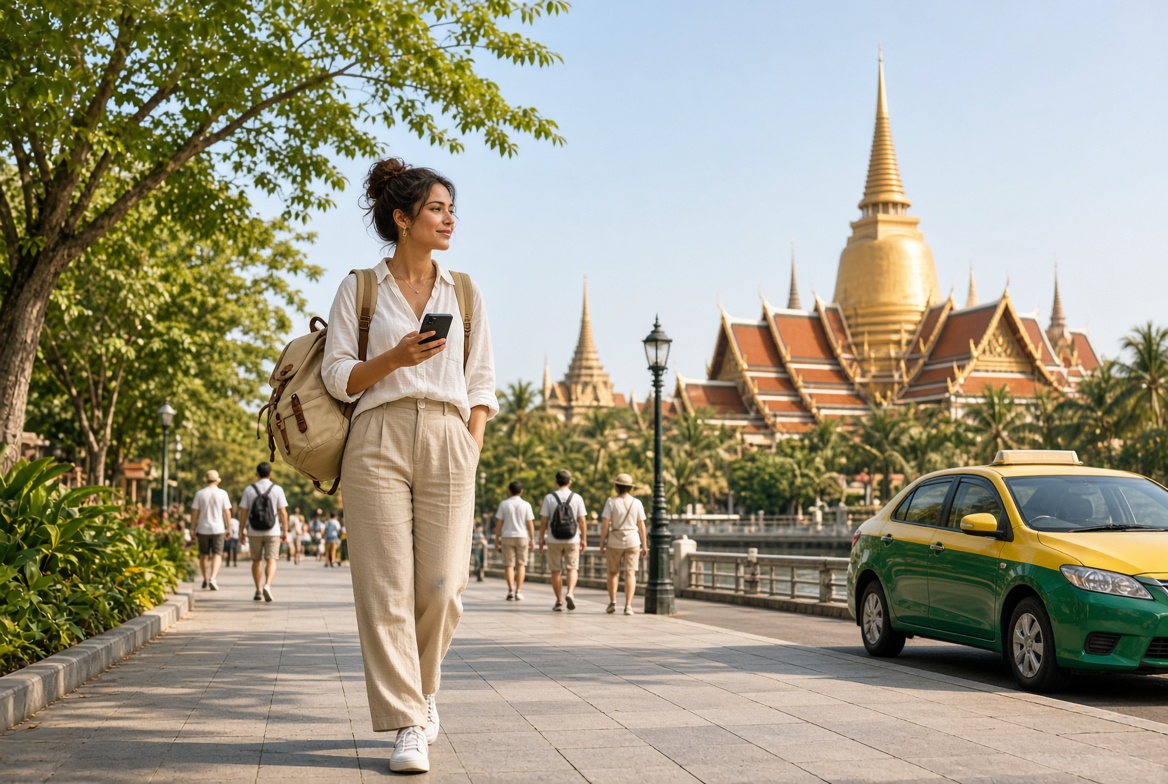
Thailand is a popular destination for first-time international travelers, and most visits are trouble-free. Still, knowing a few basic safety practices can make your trip more comfortable, confident, and enjoyable. From getting around busy cities to protecting your belongings and staying safe in the sun, these simple precautions can help you make the most of your Thailand adventure.
1. Keep Your Important Belongings Secure
Busy tourist areas, markets, public transportation, and nightlife districts can become crowded, so keep an eye on your belongings. Carry your passport, cash, bank cards, and other valuables securely. Avoid keeping your wallet or phone in an easily accessible back pocket. For longer stays, consider leaving unnecessary valuables in your hotel room safe rather than carrying everything with you.
Tip: Keep digital copies of your passport, travel insurance information, and important reservations in a secure location.
2. Be Careful When Crossing Roads
Traffic can be one of the biggest safety considerations for visitors to Thailand. Don't assume that vehicles will always stop for pedestrians, even when you have the right of way. Look carefully in both directions before crossing and pay particular attention to motorcycles. At busy intersections, use pedestrian crossings and pedestrian bridges when available.
Tip: When crossing a road, stay alert rather than relying only on traffic signals.
3. Take Care When Using Motorcycles and Scooters
Motorcycles are common throughout Thailand, particularly in destinations such as Phuket, Pattaya, Chiang Mai, and the islands. If you are not an experienced motorcycle rider, renting one simply to save money may not be worth the risk. If you do ride, wear a proper helmet and make sure you understand the local traffic rules and your rental agreement. Don't assume that your home-country driving license automatically permits you to ride legally in Thailand.
4. Stay Hydrated and Protect Yourself From the Sun
Thailand's tropical climate can be hot and humid, particularly during the hotter months. Drink water regularly, especially when spending several hours outdoors. Use sunscreen, wear lightweight clothing, and consider carrying a hat or umbrella. Heat can become exhausting before you realize how much it is affecting you.
Tip: Schedule particularly active sightseeing for the morning or later afternoon when practical, and take breaks during the hottest part of the day.
5. Be Careful Around the Water
Thailand's beaches and islands are among its major attractions, but conditions can change quickly. Pay attention to warning flags, signs, and instructions from lifeguards. Avoid swimming in areas marked as unsafe and be especially cautious during rough sea conditions or strong currents. If you're taking a boat or joining a water activity, follow the operator's safety instructions and use the provided safety equipment.
6. Choose Transportation Carefully
Thailand offers many ways to get around, including taxis, tuk-tuks, trains, buses, boats, and ride-hailing services. Before starting a taxi or tuk-tuk journey, make sure you understand the fare arrangement. For longer journeys, check the route and expected price beforehand. If you're using a ride-hailing service, confirm that the vehicle and driver match the information shown in the app.
Tip: Keep your accommodation address saved on your phone, preferably in both English and Thai.
7. Be Alert to Tourist Scams
Most people you meet in Thailand will simply be going about their everyday lives, but tourists can occasionally encounter scams or misleading offers. Be cautious when a stranger approaches you with an unsolicited deal, an unusually cheap tour, or a claim that a major attraction is unexpectedly closed. Don't allow yourself to be pressured into making a purchase or accepting a service.
Tip: If an offer sounds too good to be true, take a moment to verify it before proceeding.
8. Take Care With Food and Drinking Water
Thailand is famous for its food, and trying local dishes is part of the experience. Use normal food-safety precautions, particularly if you have a sensitive stomach. Choose busy food stalls and restaurants with good customer turnover, and make sure cooked food is served hot. If you're uncertain about the local water supply where you're staying, use bottled or appropriately treated drinking water.
9. Drink Responsibly
Thailand has a lively nightlife scene, but alcohol can affect your judgment and awareness. If you drink, keep track of how much you're consuming and avoid accepting drinks from strangers. Never leave your drink unattended. Arrange your transportation back to your accommodation before you become too intoxicated to make sensible decisions.
10. Respect Local Customs and Religious Sites
Thailand's temples and religious sites are important cultural places, not simply tourist attractions. Dress appropriately when visiting temples, particularly by covering shoulders and knees where required. Remove your shoes when requested and follow posted instructions. Avoid climbing on religious monuments or touching sacred objects unless permitted. A little cultural awareness goes a long way toward making your interactions respectful and enjoyable.
11. Know How to Get Help
Before your trip, save the contact information for your hotel or accommodation and make sure your phone can access local communication services. It is also a good idea to have your travel insurance information readily available if you have coverage. For serious emergencies, contact the appropriate emergency service or seek assistance from local authorities. If you are involved in an incident, stay calm and keep important documents, receipts, photographs, and other relevant information available.
12. Keep Someone Informed About Your Plans
If you're traveling alone or heading somewhere remote, let someone know where you're going. For day trips, boat excursions, hiking, or other activities away from your accommodation, sharing your general itinerary with a friend or family member provides an additional layer of peace of mind.
13. Trust Your Instincts
You don't need to be nervous to travel around Thailand. However, if a situation feels uncomfortable or something doesn't seem right, you can simply walk away. You don't have to accept an invitation, purchase a product, enter a vehicle, or participate in an activity just because someone has approached you. A polite “No, thank you” is usually enough.
14. A Simple Safety Checklist Before You Go
Before leaving for Thailand, make sure you have:
- A valid passport and required travel documents
- Travel insurance information, if applicable
- Copies of important documents
- Your accommodation details
- Emergency contact information
- A working phone and charging solution
- A secure way to carry money and cards
- Appropriate clothing for temples and outdoor activities
- Sunscreen and basic personal medications
- A plan for getting around your destination
Final Takeaway
Enjoy Thailand With Confidence Travel safety doesn't mean worrying about everything that could go wrong. It simply means being prepared enough to handle common situations sensibly. Keep your belongings secure, stay aware of your surroundings, take care in traffic and around the water, protect yourself from the heat, and don't let yourself be pressured into decisions. With a little preparation and common sense, first-time visitors can explore Thailand with greater confidence—and spend more time enjoying the food, culture, beaches, cities, and experiences that make the country such a memorable destination.